


Education in South Africa helps young people learn and grow, preparing them to face challenges and become leaders. Understanding South Africas education system is important because it shapes the future of students and the country. Learning is not just about books—it helps kids succeed, find jobs, and make their communities stronger. Schools teach skills that help students become teachers, doctors, engineers, or business owners. With the right education, communities grow, and opportunities increase for everyone.
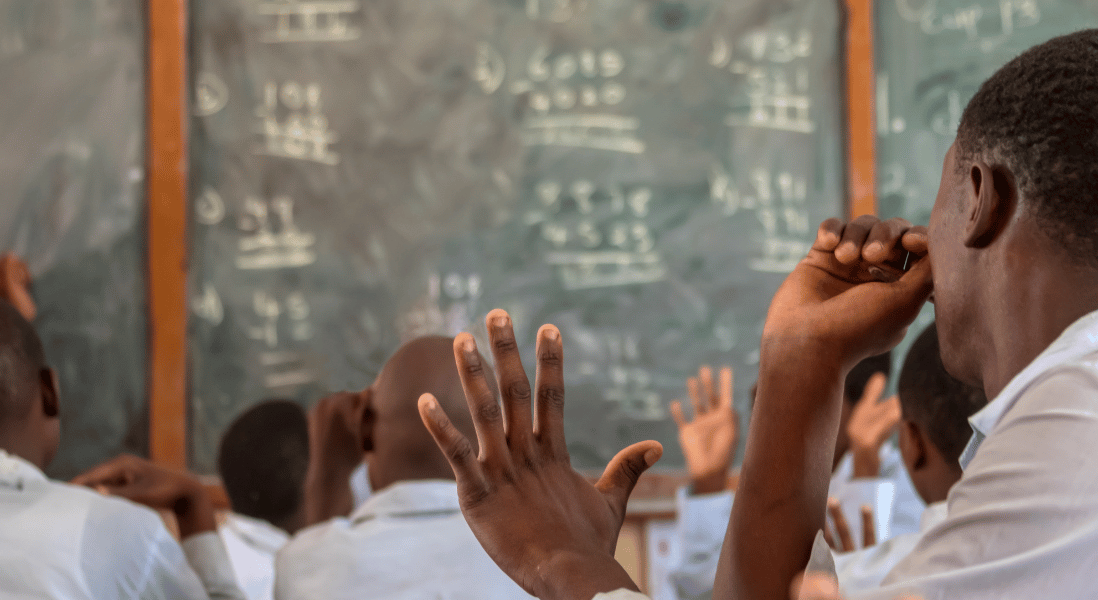
How Education Works in South Africa
Education is like a bridge that helps children reach their dreams. It starts with primary school, where kids learn the basics of reading, writing, and math. These skills are the foundation for learning more in secondary school and later in college or job training programs. Parents, teachers, and the government all work together to improve education and give students the best learning experience.
As Nelson Mandela once said, “Education is the most powerful weapon which you can use to change the world.” A strong education system helps students build successful futures and make South Africa a better place.
Parts of the Education System
South Africa’s education system has three main levels:
- Primary School (Grade R to Grade 7) – Kids learn reading, writing, math, and life skills.
- Secondary School (Grade 8 to Grade 12) – Students explore more subjects and prepare for college or work.
- Tertiary Education (College and Training Centers) – After high school, students go to university or learn practical skills for jobs.
Each stage builds on the previous one. Primary school gives the basics, secondary school helps students decide their future, and higher education provides skills for work or further studies.
Public and Private Schools
In South Africa, students can go to public schools or private schools.
- Public Schools – Run by the government and more affordable. Some schools get extra funding and have better facilities.
- Private Schools – Independent and offer smaller classes, better resources, and different activities. They often cost more but provide high-quality education.
Both types aim to help children learn and grow, but private schools may offer more advanced technology, sports, and extra learning programs.
Primary School: The First Steps in Education
From Grade 1 to Grade 3, kids learn to read, write, and count. Teachers often use the child’s home language to make learning easier. In Grades 4 to 7, students study more subjects, like life skills, which help them understand themselves and the world around them.
These early years are like planting seeds—kids gain knowledge, confidence, and skills that help them succeed later in life. Schools also teach creativity, teamwork, and problem-solving to prepare children for higher learning.
Secondary School: Preparing for the Future
From Grade 8 to Grade 12, students take a variety of subjects and start choosing areas of interest by Grade 10. Subjects like math, science, business, and history help them prepare for college or jobs. In Grade 12, students take the National Senior Certificate (NSC) exams, which are important for future education and career opportunities.
South Africa has some of the best high schools that prepare students for success. Schools like Curro Schools and St. Mary’s School, Waverley provide excellent education and extracurricular activities.
Higher Education and Job Training
After high school, students have several choices for further education:
- Universities – Offer degree programs in different fields like medicine, engineering, and business.
- TVET (Technical and Vocational Education and Training) Colleges – Teach practical skills like carpentry, cooking, and mechanics.
- Private Colleges – Provide specialized courses in business, IT, and arts.
Colleges like University of Cape Town (UCT) and University of Johannesburg (UJ) offer top-quality programs that help students find good jobs. TVET Colleges focus on skills training for careers in various industries.
Challenges and Solutions in Education
While South Africa’s education system has improved, some challenges remain:
- Lack of resources – Some schools don’t have enough teachers, books, or classrooms.
- High dropout rates – Many students leave school before finishing Grade 12 due to financial or personal reasons.
- Unequal education – Rural areas often have fewer resources than city schools.
To fix these issues, the government is investing in teacher training, technology in classrooms, and student support programs. Organizations like Teach South Africa help provide better education for students in need.
Why Education Matters
Education helps kids learn, grow, and achieve their dreams. It gives them knowledge and skills to build better lives. When children get a good education, they can improve their communities and change the future of South Africa.
The government and schools continue to work on improving education to ensure that every child has access to learning opportunities. Parents and communities also play a role in supporting students and encouraging them to succeed.
How to Get the Best Education in South Africa
If you or someone you know is planning their education journey, follow these tips:
- Choose the right school – Whether public, private, or vocational, pick a school that fits your needs.
- Focus on key subjects – Math, science, and language skills are important for most careers.
- Look for financial help – Scholarships and bursaries are available for students in need. Check programs like NSFAS for funding.
- Use online resources – Websites like South African Department of Education offer information and study materials.
- Stay motivated – Education takes time, but hard work leads to success.
Final Thoughts
South Africa’s education system plays a big role in shaping the future. Schools, colleges, and universities help students gain knowledge, build careers, and improve their lives. By understanding South Africa’s education system, students and parents can make the best choices for their future.
Education is the key to success, and every child deserves a chance to learn and grow. If you’re ready to take the next step, explore schools, colleges, and financial aid options. For more guidance on choosing the right college in South Africa, check out our Directory. Your journey to success starts with education!
