


Skill Based Education in 2025 focuses on teaching practical abilities that directly match workplace needs. This approach is dominating because it prepares students with skills they can immediately apply in real jobs, boosting employability and career readiness. The rest of the article explores why this method is growing, how it benefits learners and industries, and what it means for the future of education.
Understanding Skill Based Education
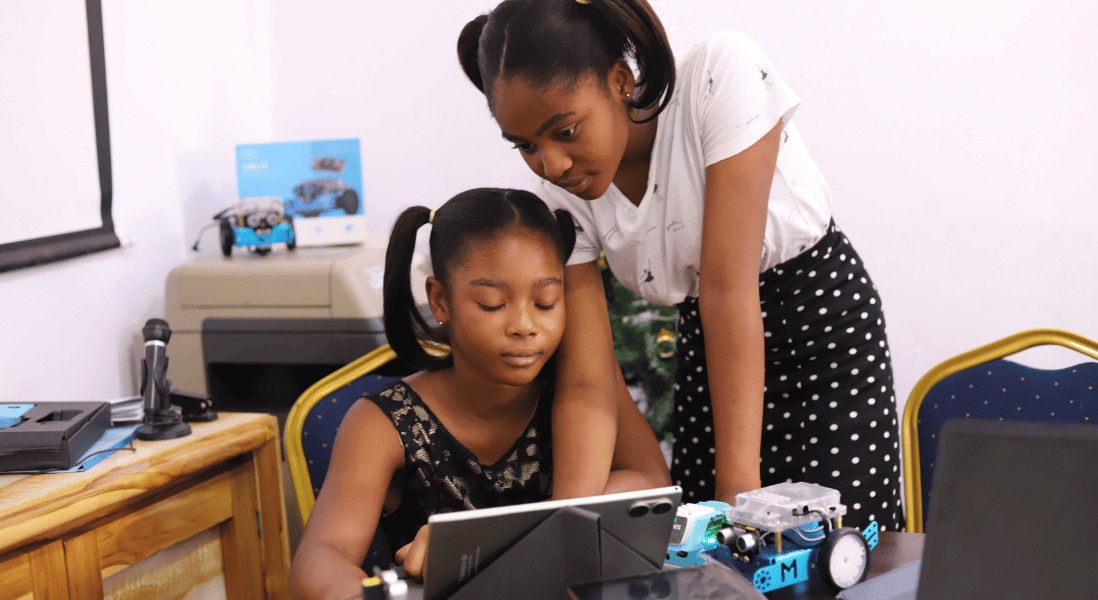
Skill Based Education prioritises the development of practical skills that translate directly into the workplace. Unlike traditional education, which often emphasizes theoretical knowledge, this approach focuses on training students in real-world applications, ensuring that they are job-ready upon graduation. Institutions adopting this model are more closely aligning their curricula with industry needs, fostering skills such as critical thinking, problem-solving, and effective communication.
Increased Employer Demand
As businesses evolve, so do their expectations for new hires. Employers are increasingly seeking candidates who can demonstrate proficiency in specific skills rather than just academic degrees. According to numerous surveys, companies value hands-on experience alongside educational qualifications. This demand is driving educational institutions to refocus their programs toward Skill Based Education, allowing students to gain practical experience through:
- Internships
- Projects
- Partnerships
For more information visit University World News and stay updated on what is going around the world.
Flexible Learning Opportunities
The rise of online learning platforms has dramatically expanded access to Skill Based Education. Students can now choose from a variety of online courses tailored to specific skills, such as:
Institutions like Coursera and Udemy offer curated courses that allow learners to develop skills at their own pace, making education more accessible to a wider audience. This flexibility supports different learning styles and lifestyles, catering to both full-time students and working professionals.
Real World Applications and Project-Based Learning
One of the most compelling aspects of Skill Based Education is its emphasis on project-based learning. Students engage in real projects that allow them to apply their knowledge and skills in practical situations. For instance, programs that include:
- Capstone projects
- Collaborations with local businesses
provide invaluable firsthand experience. This not only reinforces the learning process but also enhances students portfolios, making them more attractive to potential employers.
Community and Networking
Skill Based Education fosters a sense of community among learners. By engaging in team-centric projects, students build strong networks and collaborative skills crucial for their future careers. Networking opportunities are often built into these programs, allowing students to connect with:
- Industry professionals
- Alumni
- Peers
This community support reinforces learning and encourages mentorship, providing students with guidance from those already established in their desired fields.
Supportive Educational Environment
Institutions that emphasize Skill Based Education aim to create a supportive environment that encourages students to experiment and innovate. Faculty members often act as mentors, guiding students through their learning journeys and providing constructive feedback. This not only enhances the educational experience but also instills confidence in students as they acquire new skills and apply them in real-world contexts.
Final Thoughts
Skill Based Education is becoming a central approach to preparing students for real-world careers. By focusing on practical skills that match workforce demands, it ensures graduates are ready to apply their knowledge in professional environments. This hands-on, adaptable, and community-oriented learning model supports learners in developing relevant abilities, positioning them to excel in a fast-changing job market.
Next Steps
- Leverage Resources – Visit platforms like Education Corner and Edutopia for further guidance on Skill Based Education.
- Identify Key Skills – Determine the practical abilities most valuable in your desired career path.
- Explore Learning Opportunities – Look for courses, workshops, or training programs focused on those skills.
- Apply Skills in Real Situations – Seek internships, volunteer roles, or projects to practice what you learn.
- Stay Updated – Regularly review industry trends to ensure your skillset stays relevant.
