


The rising issue of dysfunctional schools in south africa hold students back. For 2025, several schools have been flagged as dysfunctional because they struggle with poor facilities, lack of resources, low pass rates, and management issues. Highlighting these schools is not about shaming them but about drawing attention to the urgent need for improvement.
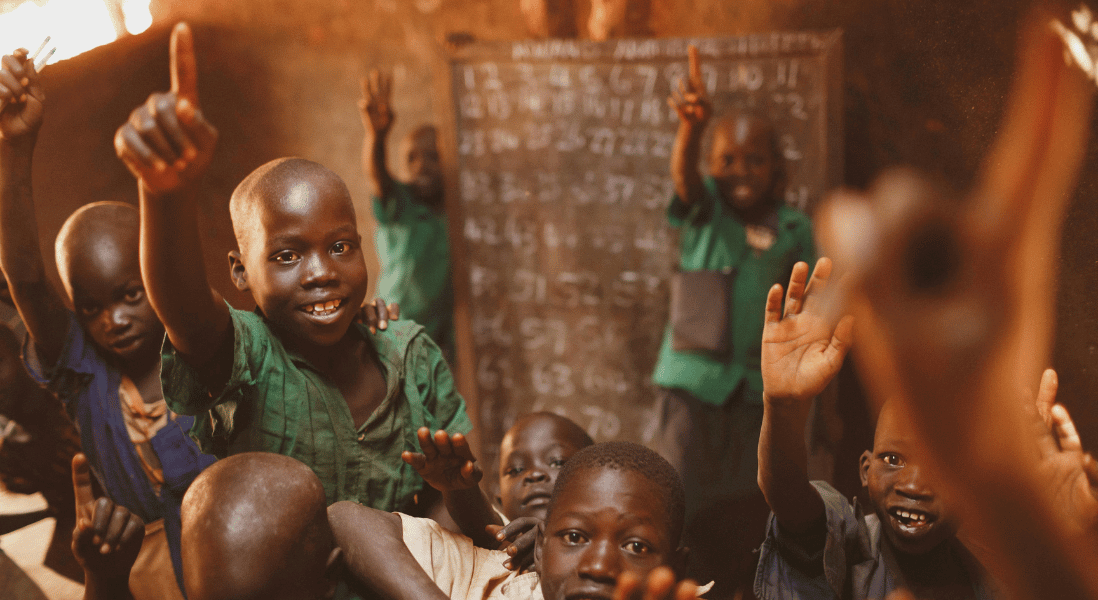
What Makes a School Dysfunctional
A dysfunctional school is one where learners are not able to reach their full potential because of ongoing challenges. The most common signs include:
- Consistently low pass rates
- Shortage of qualified teachers
- Poor infrastructure such as broken classrooms and toilets
- Lack of textbooks and learning materials
- Safety concerns within the school environment
- Weak management and leadership structures
For more details on education standards you can visit the Department of Basic Education.
Current Situation in 2025
In 2025, the Department of Basic Education continues to monitor schools across the country. Reports show that some schools in provinces such as Limpopo, Eastern Cape, and KwaZulu Natal remain among the weakest. The pass rate in certain schools has dropped below 30 percent, while absenteeism from both learners and teachers is still a problem. You can read the full matric results report from government sources to understand the scale of the challenge.
Examples of Dysfunctional Schools in South Africa
While many schools are trying hard to improve, some continue to face very serious challenges. Schools in rural parts of the Eastern Cape still struggle with pit latrines and unsafe classrooms. In Limpopo, there are schools where learners share one textbook among five students. In KwaZulu Natal, gang violence around schools makes it difficult for learners to feel safe. These real situations affect thousands of young people every day. Research by Equal Education highlights many of these ongoing issues.
Why It Matters
Education shapes the future of South Africa. If schools are not functioning, the entire community suffers. Young people leave school without the skills they need to find work or to study further. This continues the cycle of poverty and unemployment. By identifying dysfunctional schools, the country can take steps to provide resources, train teachers, and improve management. You can also look at Statistics South Africa for education and youth unemployment figures that show how closely these two issues are linked.
Steps Toward Improvement
Government, parents, and community leaders all play a role in fixing these problems. Some of the most effective solutions include:
- Providing better funding and ensuring that money is spent correctly
- Training and supporting teachers
- Building safe classrooms and facilities
- Supplying enough textbooks and digital tools for learners
- Creating stronger partnerships between schools and local communities
Organisations such as Section27 are actively involved in ensuring learners have access to safe and functional schools.
Final Thoughts
The top dysfunctional schools in South Africa for 2025 highlight the urgent need for action. Every child deserves a quality education in a safe environment with proper resources. By addressing the weaknesses of these schools, South Africa can give its young people the future they deserve.
