


Top Civil Engineer succeed by mastering eight key skills that go beyond technical know how. These include strong problem solving, communication, leadership, creativity, teamwork, project management, adaptability, and attention to detail. This article gives a simple, clear overview of these essential abilities to help you grow into a confident and effective civil engineer.
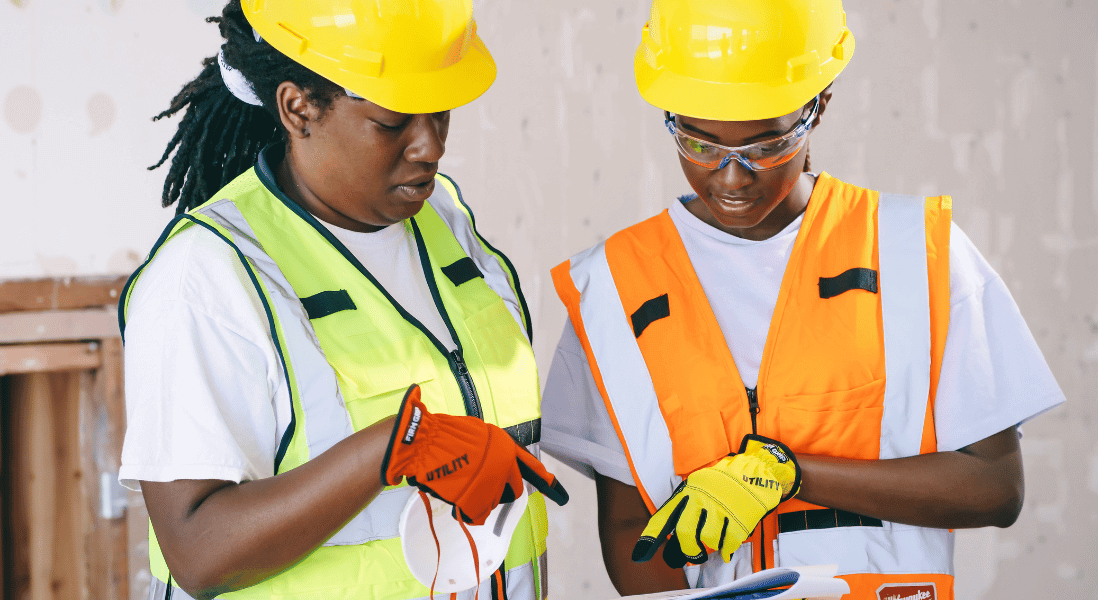
8 Essential Skills for Top Civil Engineer
1. Technical Proficiency
Understanding of Engineering Principles
Top civil engineers must possess a strong grasp of essential engineering principles, including mechanics, materials science, and structural analysis. These foundational concepts are crucial for the design and management of complex infrastructure projects. For more detailed insights into engineering principles, consider visiting resources like ASCE, which provides extensive information on civil engineering standards and practices.
Proficiency in CAD Software
Proficiency in Computer Aided Design (CAD) software, such as AutoCAD, Revit, or Civil 3D, is crucial for creating detailed blueprints and 3D models. These tools not only streamline the design process but also enable effective visualisation and simulation of construction methods. Familiarisation with CAD tools can often be gained through specialised courses offered by institutions like Coursera.
Knowledge of Building Information Modeling (BIM)
Building Information Modeling (BIM) significantly enhances collaboration and project efficiency. Understanding BIM allows top civil engineers to develop a comprehensive digital representation of a project, facilitating better coordination among team members and stakeholders.
2. Problem Solving and Critical Thinking
Analytical Skills
Top civil engineers must excel in analytical thinking, enabling them to dissect complex problems into manageable parts. This skill is essential for early issue identification and developing actionable solutions. Technical decision making often requires the ability to weigh multiple outcomes and their implications seriously.
Adaptability
The capacity to adapt to shifting project specifications is paramount. Top civil engineers need to demonstrate flexibility, allowing them to recalibrate plans based on new information or unpredicted challenges.
3. Communication and Collaboration
Effective Communication
In civil engineering, clear communication represents the backbone of successful project execution. Top civil engineers must articulate complex technical information in a manner that is understandable to both technical and non technical audiences.
Team Leadership
Leading engineering teams effectively is crucial for project success. Top civil engineers should be adept at motivating team members, efficiently delegating tasks, and fostering an environment where everyone works harmoniously towards common goals.
4. Project Management
Time Management
Successful project completion hinges on effective time management. Top civil engineers must cultivate strong organisational skills to prioritise tasks and meet project deadlines without compromising quality.
Budgeting and Cost Control
Understanding budgeting and cost management is vital for executing projects within financial constraints. This involves accurately forecasting costs, managing resources, and making strategic financial decisions to align with project objectives.
5. Safety Protocols
Adherence to Safety Standards
Safety in construction is non negotiable. Top civil engineers must rigorously adhere to safety regulations and protocols to safeguard both workers and the public. Understanding the latest safety trends and implementation measures can be facilitated through professional organisations like OSHA.
Risk Assessment
Conducting thorough risk assessments helps identify potential hazards preemptively. This proactive stance ensures that safety measures are integrated early in the project lifecycle, protecting all stakeholders involved.
6. Sustainability and Environmental Considerations
Green Building Practices
With the increasing focus on environmental stewardship, top civil engineers should be knowledgeable about sustainable practices. These include designing energy efficient structures and minimising environmental impact. Resources like the World Green Building Council provide valuable insights into green building standards and practices.
Compliance with Regulations
Navigating environmental regulations is crucial for every civil engineering project. Knowledge of local and international environmental standards ensures that projects are not only viable but also socially responsible.
7. Innovation and Technology
Staying Updated with New Technologies
Civil engineering is fast paced, with emerging technologies continuously altering how projects are executed. Top civil engineers must keep abreast of advancements in materials science, construction methods, and software tools, ensuring they leverage the best practices available.
Application of Emerging Technologies
Innovative thinking requires an ability to creatively apply new technologies to solve complex civil engineering disputes. This might involve utilising drones for site assessments or employing smart technology for infrastructure development.
8. Continuous Learning
Professional Development
Commitment to ongoing professional growth is essential in the civil engineering field. Top civil engineers should pursue continuous education via courses and certifications to maintain their relevance and expertise. Online platforms like edX offer numerous courses for professional development.
Networking Opportunities
Indispensable for career advancement, networking within the industry provides vital opportunities for knowledge exchange and collaboration. By attending conferences and engaging with organisations such as the South African Institution of Civil Engineering (SAICE), top civil engineers can enhance their professional ties and increase their visibility within the field.
Final Thoughts
Becoming a top civil engineer means developing a strong mix of technical skills, problem solving abilities, communication, leadership, project management, safety practices, sustainability awareness, and a commitment to ongoing learning. These combined strengths help you succeed in both large scale projects and efforts that support sustainable development, laying the groundwork for long term success in the evolving civil engineering field.
Next Steps
- Enhance communication: Focus on clear and effective communication with clients, teams, and stakeholders.
- Review your current skills: Identify areas where you excel and where you need improvement.
- Commit to continuous learning: Take relevant courses or attend workshops to stay updated.
- Practice collaboration: Work effectively with diverse teams to strengthen teamwork skills.
- Develop leadership abilities: Look for small leadership roles or mentorship opportunities.
- Stay informed on sustainability: Learn about eco friendly practices and apply them in your projects.
